
The specialized symposium "Self-Critique: Towards a Pluralistic and Tolerant Social Science" was held in collaboration with the Iranian Sociological Association, the Department of Sociology, and the student scientific association of sociology at the University of Kurdistan.
"Self-Critique: Towards a Pluralistic and Tolerant Social Science" Symposium Held at the University of Kurdistan
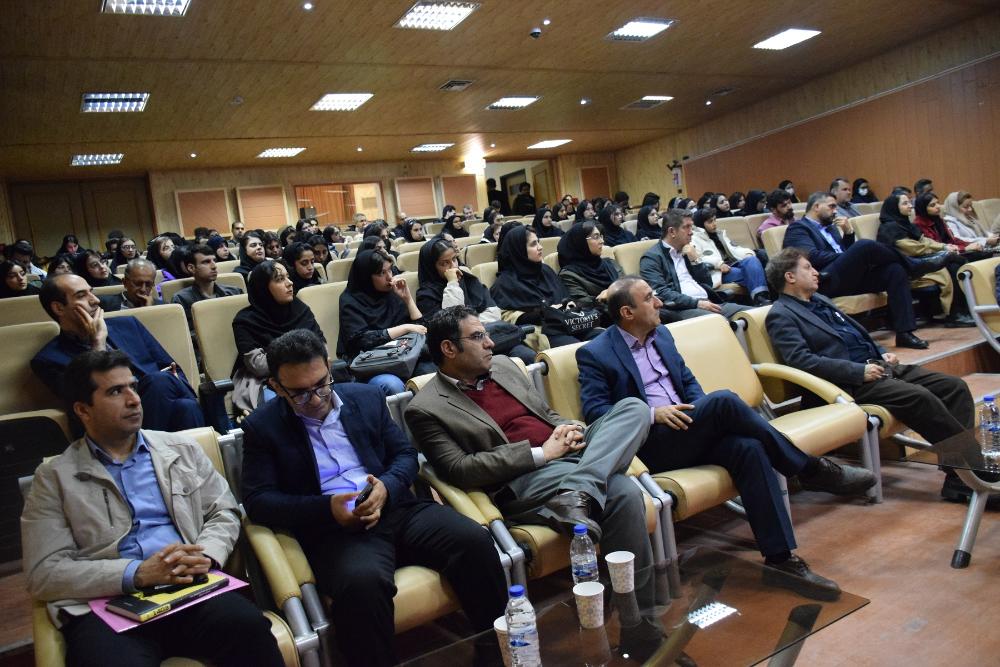



According to the Public Relations Office of the University of Kurdistan, Dr. Rahmat Sadeghi emphasized the university's mission, stating that "understanding local issues and striving to solve them" is a prerequisite for the effectiveness of social sciences.
Dr. Ahmadinia described social sciences as an essential tool for understanding society and outlined the three main pillars of the association's activities in Kurdistan: "empowering the younger generation, connecting with executive institutions, and producing applied knowledge."
Faculty members from the Department of Sociology and researchers in the field also shared their perspectives:
-
Dr. Kamal Khaleghpanah stressed the necessity of a critical role for social sciences and viewing the subaltern as "subjects."
-
Dr. Fouad Habibi criticized academic isolation and emphasized "responsible intervention" and attention to people's lived experiences.
-
Dr. Ehsan Mardoukh-Rouhani highlighted the importance of designing local development programs based on cultural assets.
-
Dr. Mohammad Ghorbanian raised the need for revising textbooks to reflect the diversity of students' experiences.
Subsequently, Ms. Tabe'i, the head of the Sanandaj Child Foundation, explained the foundation's practical model of social participation in supporting talented, underprivileged children.
The symposium's objective was stated as rethinking the function and mission of the social sciences, with an emphasis on its responsiveness to the diverse needs of Iranian society, with a special focus on the local context.


Quick Links
Electronic Services
Useful Links

University of Kurdistan, Pasdaran Boulevard, Sanandaj, Iran

Postal Code: 6617715175

Phone: +988733664600-8

Email: info@uok.ac.ir


site visit
- today:
- yesterday:
- all:
Last Update
12 Dec 2025 - 11:56:39